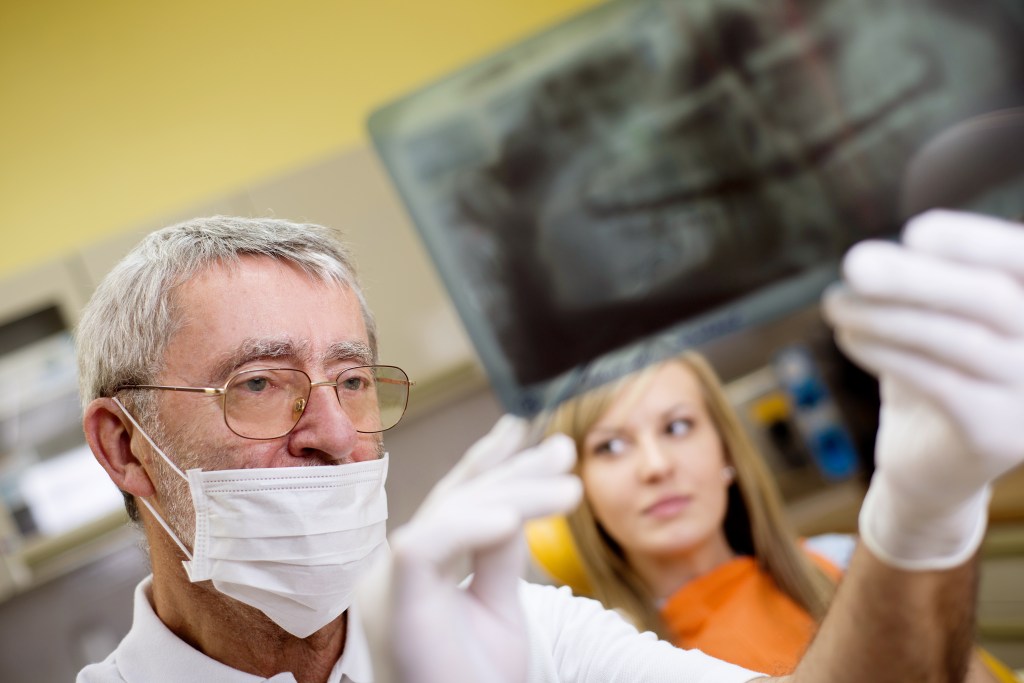
We’re creatures of habit. It takes continuous and consistent practice to perfect a new skill. Some habits take days, others months or even years maybe. The fact is that once perfected a habit becomes second nature. We don’t even have to think about it. It becomes almost a reaction to a certain trigger. A good example of this is the “second look” after a patient asks: “Do I really have to do this now?” Or “Can this wait until next visit/next year?” That’s the trigger. Logic would say well, the damage is there, there’s no need for me to look again but our ingrained behavior says: “let’s take another look”. So we react and reach for the mirror, and look at the X-rays once again, but the truth is that patients are looking for any little excuse not to do the treatment. To be fair, they come to you because you’re the expert and they’re looking for certainty. The last thing they want to see is you second guessing your own prescription.
It’s as if their trust mechanism is shooting a last piece of ammunition, If the response is hesitation, you’re done. However if your message is consistent with your initial statement, it’s case closed.
I started looking at this situation a few months ago. I was paying attention to another speaker in the seminar as he stated: “Just keep eye contact and say: Yes, you really need to do this now” It sounds easy right. Only back in my practice, once confronted with this situation I had a hard time refraining from looking at the records and the tooth in question a second time. I’ve been doing it for so long that it takes serious conscious effort to stop doing it. However, I’m happy to say that it’s gotten easier and easier the more I do it. And although I was somewhat apprehensive about the patient’s reaction, mostly I’ve heard things like:
“Well, If I have to do it, I have to do it.” or
“Well, you’re the expert doc” or
“Do you take payments?”
Yes, you’re always going to get the extreme cynical and the patients in conformity that will continue questioning your judgment, but this change in your behavior will help a good segment of your patients move forward with the treatment they need.
Remember that we’re mostly dealing with progressive and irreversible structural damage and if you reflect that in your communication, your chances of giving them the help they need will increase dramatically.
So today, go back and keep eye contact (friendly eye contact, it’s not a stare contest) and say “Yes, Mr. Patient you need to do this now” with full conviction that doing otherwise would end up in more pain, loss of quality of life or less peace of mind for the patient. I’m curious to hear what kind of answers you get and the impact it has on your case acceptance.


Leave a Reply